Published 23 October 2026
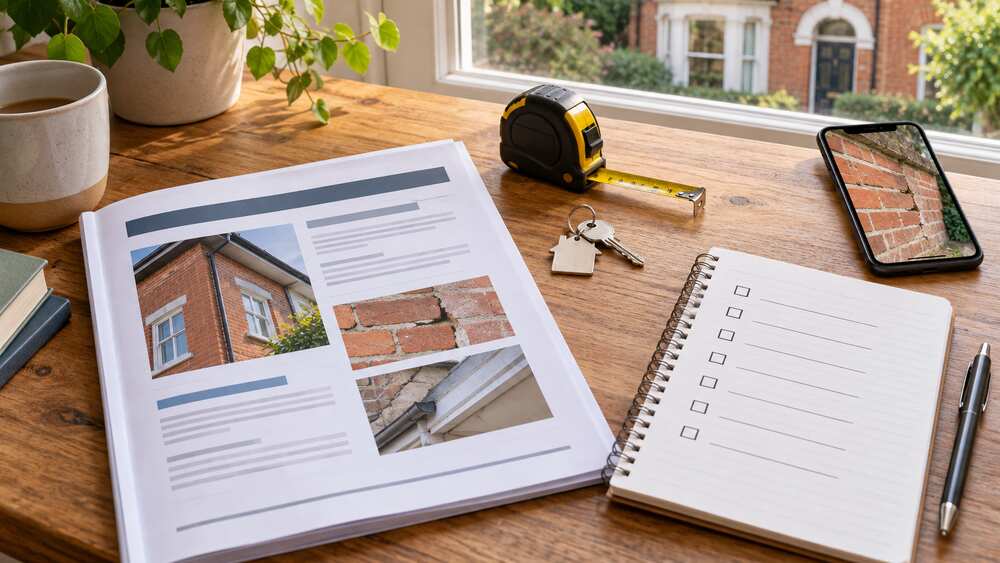
A survey can identify significant concerns, but it may leave a buyer unsure what the wording means for the property in front of them. An independent visual home inspection can add a practical, builder-led view of visible issues, access requirements and likely next steps. Used at the right time, it may help a purchase move forward with fewer unanswered questions.
It is not a replacement for an RICS survey, structural engineer’s report, specialist test or legal advice. Its value lies in helping you understand visible building concerns and organise the information needed before you commit.
Start with the survey, not around it
Read the complete report and highlight the findings that affect your decision. A Level 2 survey records significant visible defects within the agreed scope, but RICS explains that the surveyor does not force or open up the building fabric or carry out specialist tests of services.
Our Level 2 survey warnings guide explains how to turn condition ratings and limitations into clear questions. If the report recommends a structural engineer, drainage survey, electrical inspection or another specialist investigation, that recommendation should remain visible. A general visual inspection should not be used to dismiss it.
What an independent visual inspection can add
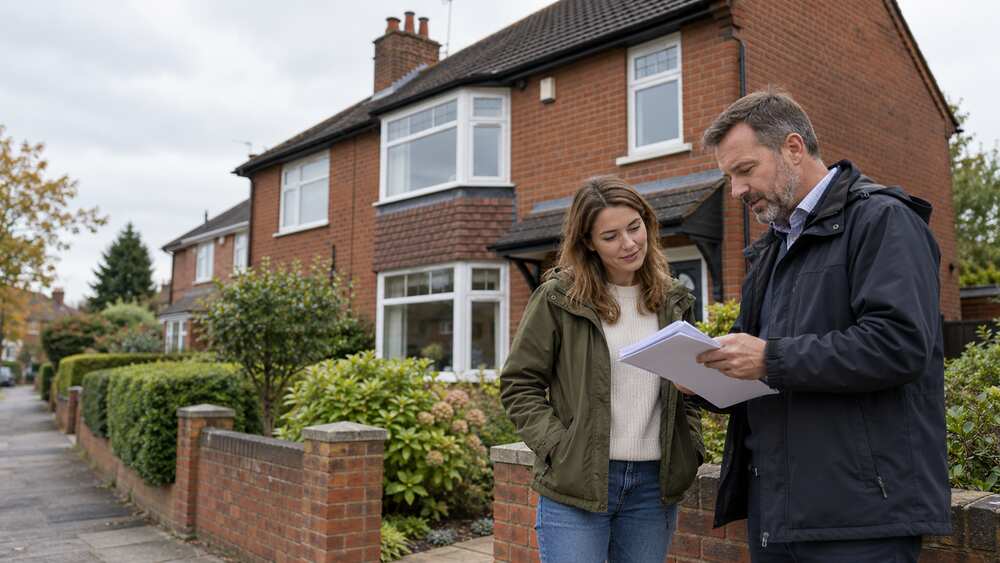
A useful follow-up begins with an agreed list of concerns. The inspector can view accessible areas, compare them with the survey wording and discuss the practical implications of what is visible on the day.
Depending on the property and agreed scope, this may help you:
- locate the reported concern and understand its visible extent
- identify access, scaffolding or making-good that a repair may involve
- separate routine maintenance from work needing further investigation
- prepare better questions for contractors or specialists
- understand which items can be budgeted and which remain uncertain
This can reduce confusion, but it cannot reveal every concealed defect. Floors, wall cavities, lintels behind finishes, roof areas without safe access and hidden services may remain unconfirmed unless suitable opening-up or specialist testing is arranged.
When it may protect the purchase
A follow-up can be particularly useful when the report contains several visible repairs but you cannot tell how they relate to one another. For example, staining, defective rainwater goods and damaged pointing may be listed separately. Seeing the locations together may help establish what needs pricing first and what evidence should be gathered after rain.
It may also prevent a buyer from making a decision based on a frightening sentence taken out of context. The purpose is not to persuade you to continue. It is to replace avoidable guesswork with clearer observations, limitations and next actions.
That clarity could preserve a sensible purchase, support a request for more information or show that the remaining uncertainty is outside your budget or tolerance. No inspection can guarantee that a sale will proceed, that a seller will renegotiate or that hidden defects are absent.
Prepare for the visit
Send the full survey in advance, together with the property address and a short list of the sections you want discussed. Ask the selling agent to confirm access and whether occupied areas, lofts, garages and external spaces will be available.
At the visit, keep the inspection visual unless a separate scope and the owner’s permission cover something more intrusive. Ask for photographs of the relevant areas and a record of anything that could not be inspected. Where movement or cracking is limited and its age cannot be confirmed from one visit, dated photographs can provide a baseline for monitoring.
Afterwards, keep observations, recommended investigations and indicative budgets in separate headings. This avoids turning an uncertain allowance into a fixed quotation.
Choose the right Casa service
Casa’s visual home inspections are available for buyers in Greater Manchester and nearby Cheshire. They provide a builder-led visual follow-up within an agreed scope and can include practical repair-cost guidance. They are not RICS surveys or structural assessments.
If you only need help interpreting repair costs in an existing Level 2 or Level 3 report, the UK-wide Survey Cost Review may be more suitable because it is completed remotely without a site visit.
To discuss visible concerns at a local property, request a home inspection and include the report sections that matter most. Casa will confirm the scope and fee before arranging access.
Keep the decision with the right advisers
For buyers in England and Wales, GOV.UK states that an offer is not legally binding until contracts are exchanged and notes that a survey can be used to check a property’s condition. Ask your conveyancer how the timing and any new information affect your own transaction.
An independent visual inspection is most useful when it answers defined practical questions and states its limits. It can help you move from “the survey sounds worrying” to a documented list of what is visible, what needs specialist investigation and what you need to decide.
Sources
RICS, “Description of the RICS Home Survey – Level 2 (survey only)”, checked 23 October 2026: https://www.rics.org/content/dam/ricsglobal/documents/standards/description_of_the_rics_home_survey_level_2.pdf
GOV.UK, “Buying a home: Making an offer”, checked 23 October 2026: https://www.gov.uk/buying-a-home/making-an-offer